Endurance matters when it serves the mission
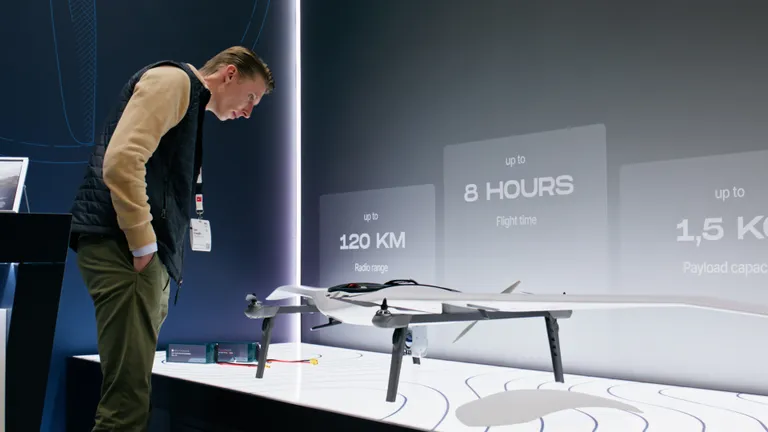
DeltaQuad introduced the Evo-LE at EUDEX 2026, highlighting that long endurance requires integrated payloads, navigation, communications and deployment.
19 October 2026
Eight hours is a flight-time figure. Its value depends on what an operator can do with it.
DeltaQuad introduced Evo-LE at EUDEX 2026 in September as the long-endurance version of the Evo platform. But endurance alone does not determine whether an unmanned system meets a mission requirement. Payload, navigation, communications, deployment and integration all determine whether additional time in the air becomes useful time on mission.
The mission behind the specification
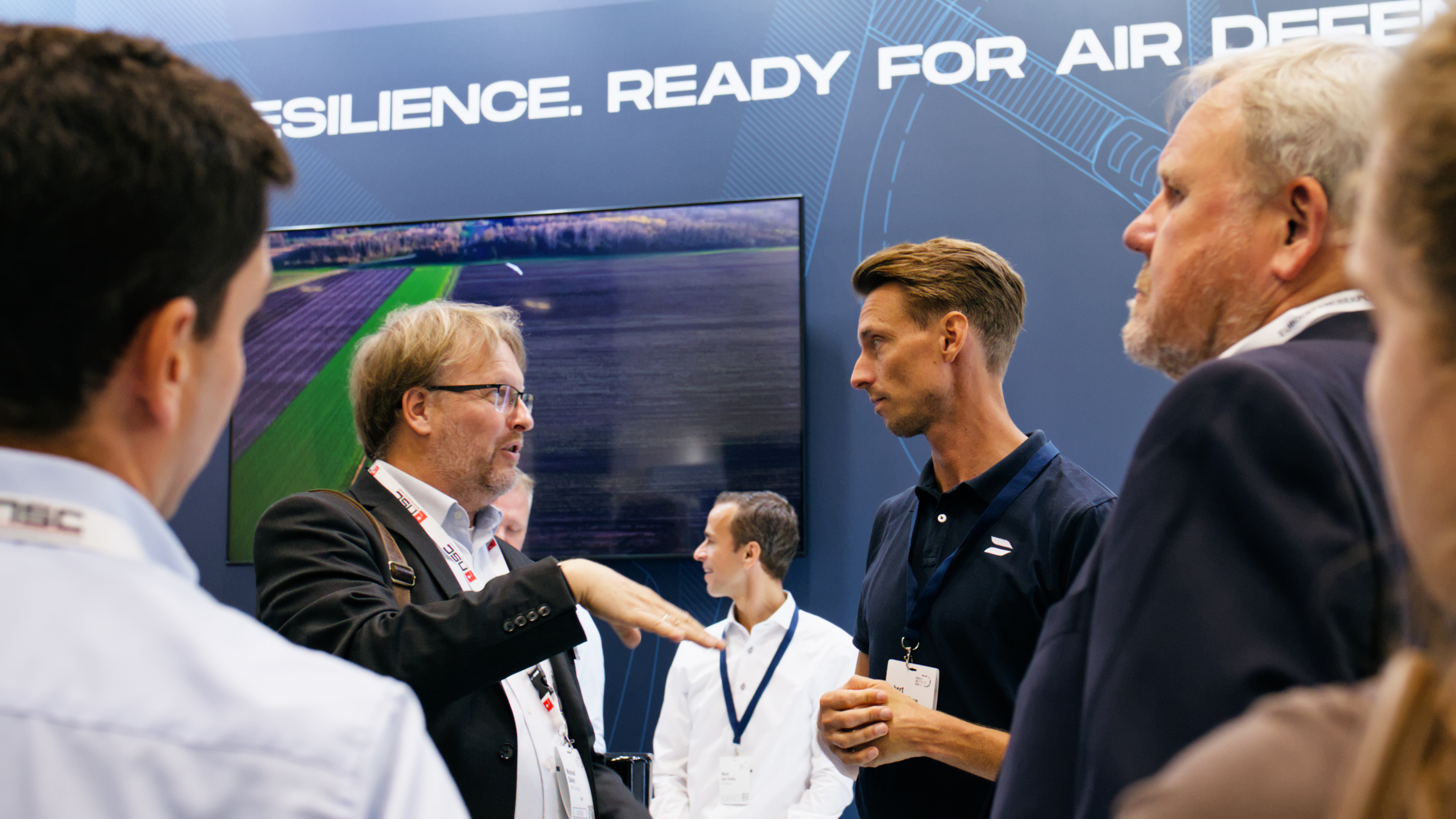
For intelligence, surveillance, target acquisition and reconnaissance (ISTAR), endurance can provide greater continuity over an area of interest. Longer flight time reduces aircraft rotations and extends the window available to gather and relay information.
Evo-LE was developed around that operational requirement.
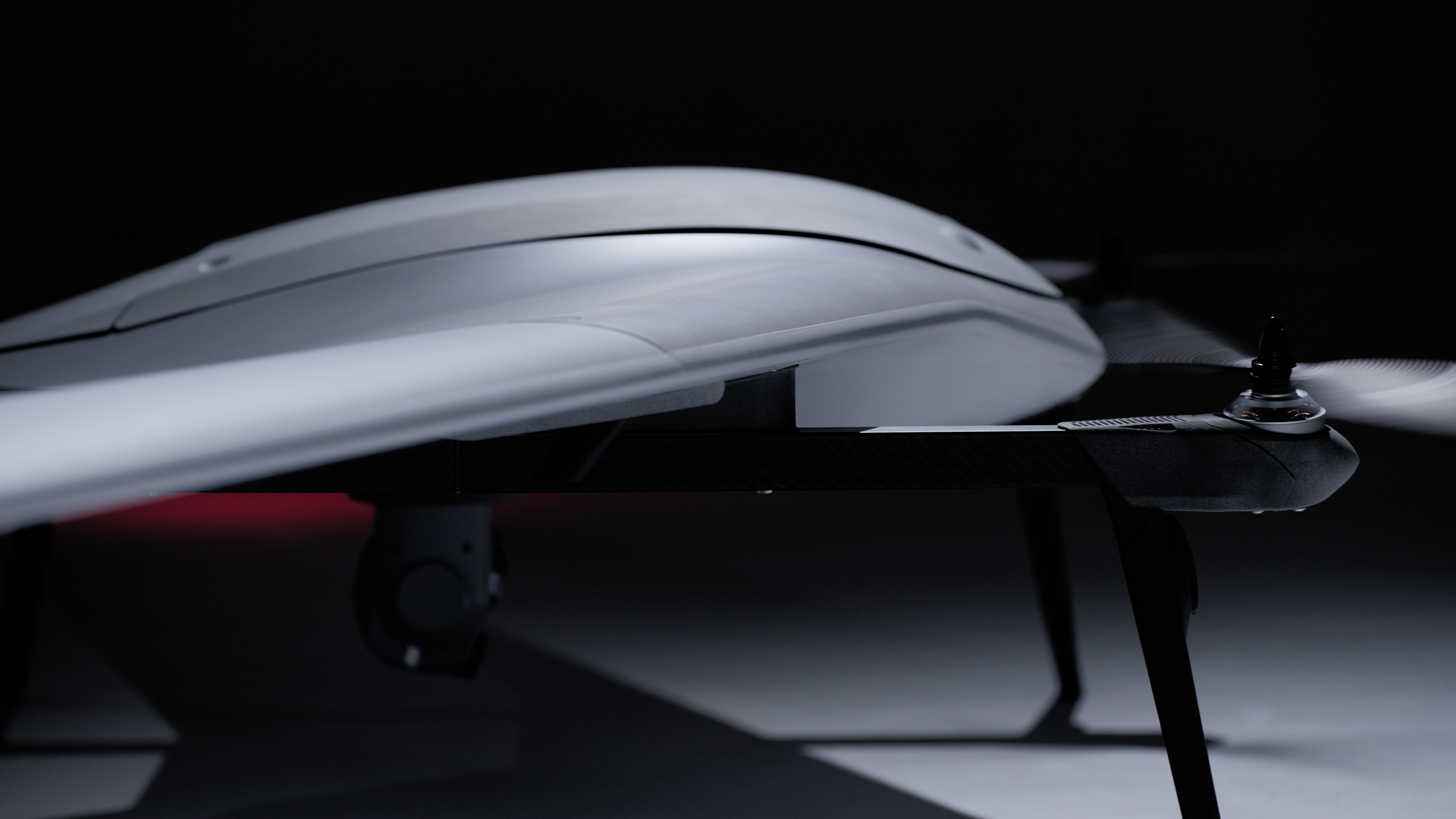
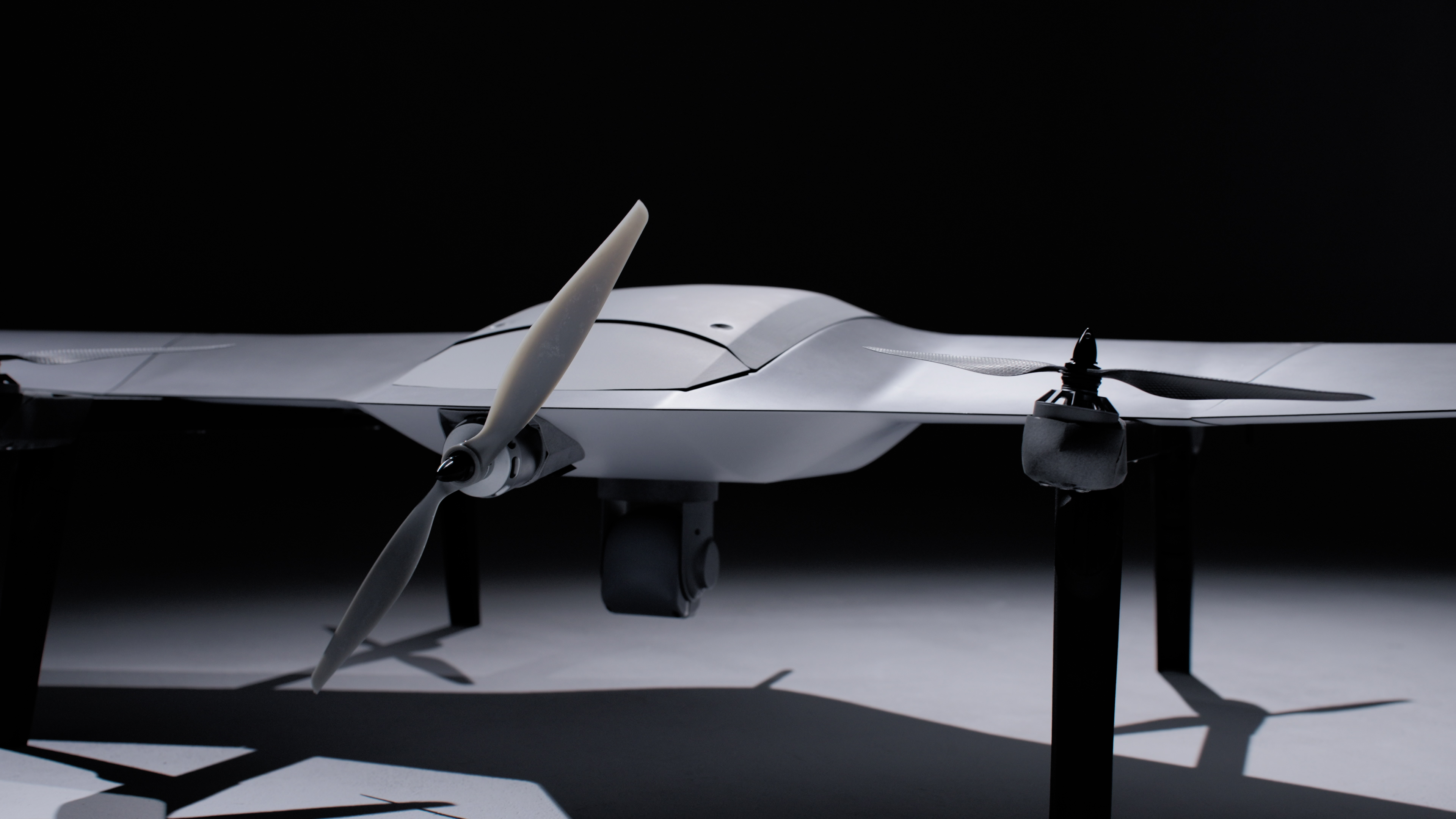
Developed with input from frontline operators and informed by thousands of operational flight hours, Evo-LE is designed for long-range ISTAR, border surveillance and communications relay missions. Depending on payload configuration, mission profile and operating conditions, it offers up to eight hours of flight time and a flight range of up to 480 km. Its radio range extends up to 120 km, while payload capacity is up to 1.5 kg. These figures describe different dimensions of performance. Flight range and radio range, for example, are not the same: radio range describes the communications link rather than the total distance the aircraft can fly. Actual performance also depends on payload configuration, mission profile and operating conditions.
As Ross Jackson, our Chief Commercial Officer, said at launch:
”Endurance changes what is possible in a mission. More flight time over an area of interest gives operators greater continuity in the information they receive and reduces the need to rotate systems during a mission."
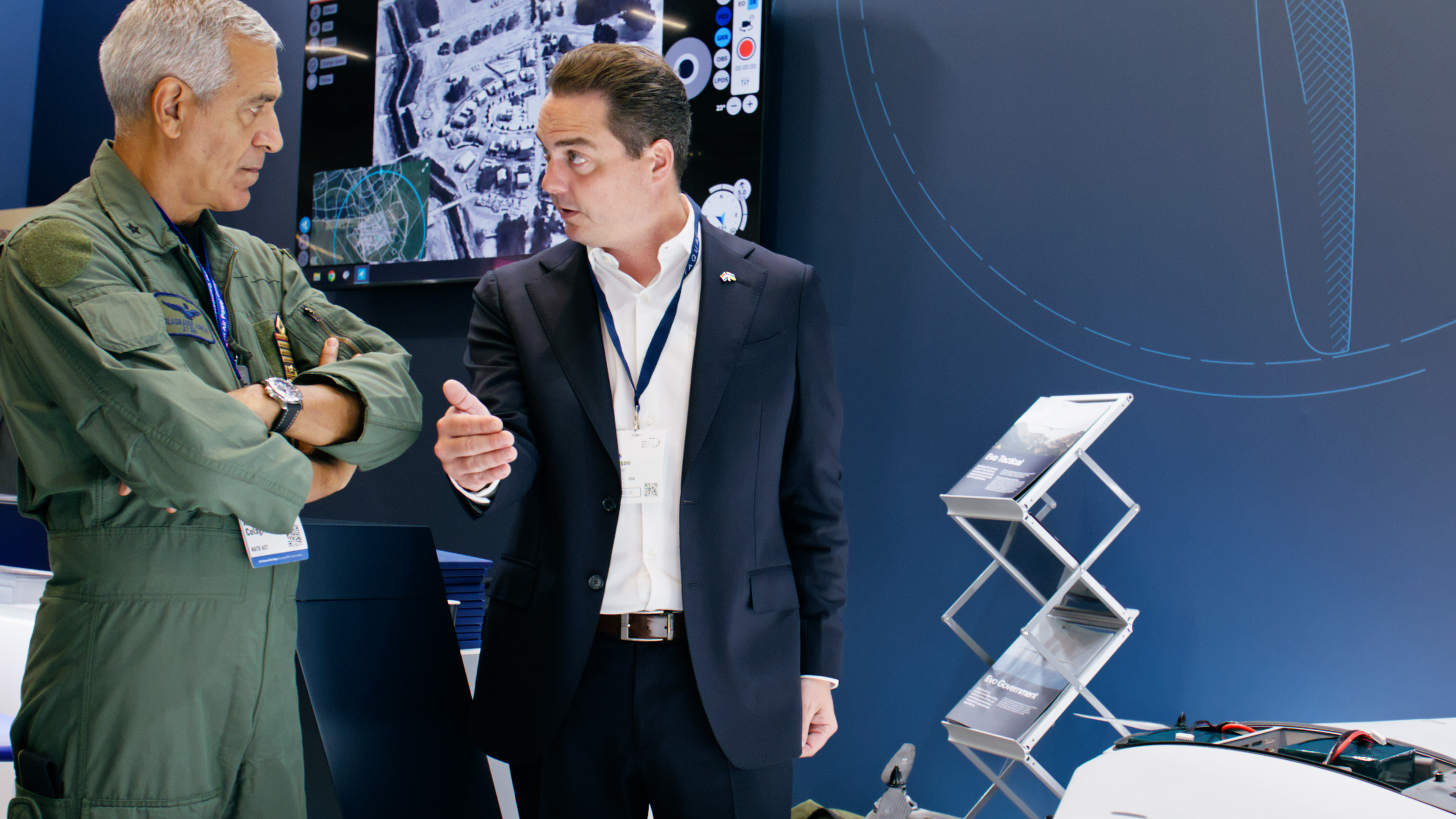
The specification is the starting point. The mission determines its value.
Endurance is a system-level capability
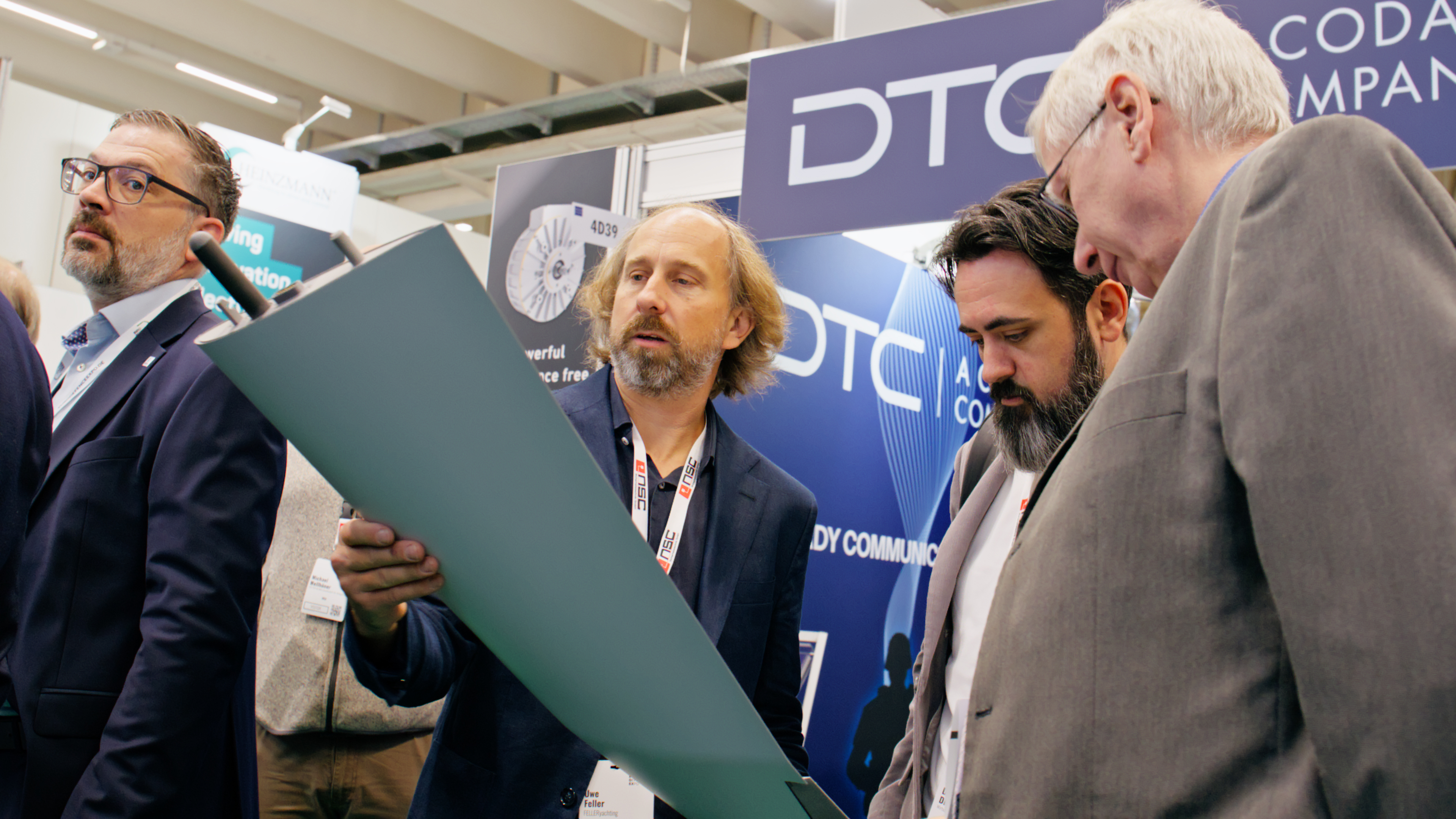
A UAS can remain airborne for longer and still fall short of the operational requirement.
The aircraft must carry the required payload, maintain the necessary communications, navigate in the intended environment, and integrate with the systems around it.
This is why endurance should not be considered in isolation.
Achieving longer endurance therefore required changes across the platform, not simply increasing battery capacity. Evo-LE combines a dual-battery configuration with a redesigned electrical architecture and upgraded VTOL drivetrain engineered around longer missions.
Within the Evo family, the two platforms address different operational priorities. Evo is configured for maximum payload flexibility, while Evo-LE is optimised for missions where endurance is the primary requirement.
Evo-LE can be configured with anti-jamming, secure communications and autonomous navigation options to support operations in complex environments. Its electric VTOL configuration also enables deployment without runway infrastructure.
No single configuration solves every mission. Longer endurance becomes valuable when the rest of the system can use that time effectively.
From aircraft performance to mission performance
The relevant question is not simply how long the aircraft can fly. It is what the system can continue to do during those hours. That means looking at endurance alongside sensing, payload integration, communications, navigation and deployment conditions.
More flight time matters when it provides useful continuity, supports the required mission equipment and works within the conditions in which operators have to deploy.
That is the more useful measure of endurance: not hours alone, but useful time on mission.